Care for women, moms & parents
A moment to check in with yourselfA moment for yourselfPostpartum PTSD & healing support. Your birth didn't go as planned, and you're still struggling with the emotional aftermath. Get compassionate, trauma-informed therapy from a psychologist who specializes in birth trauma and PTSD.
PMH-C
Certified Specialist
Trauma
Specialist
100%
Confidential
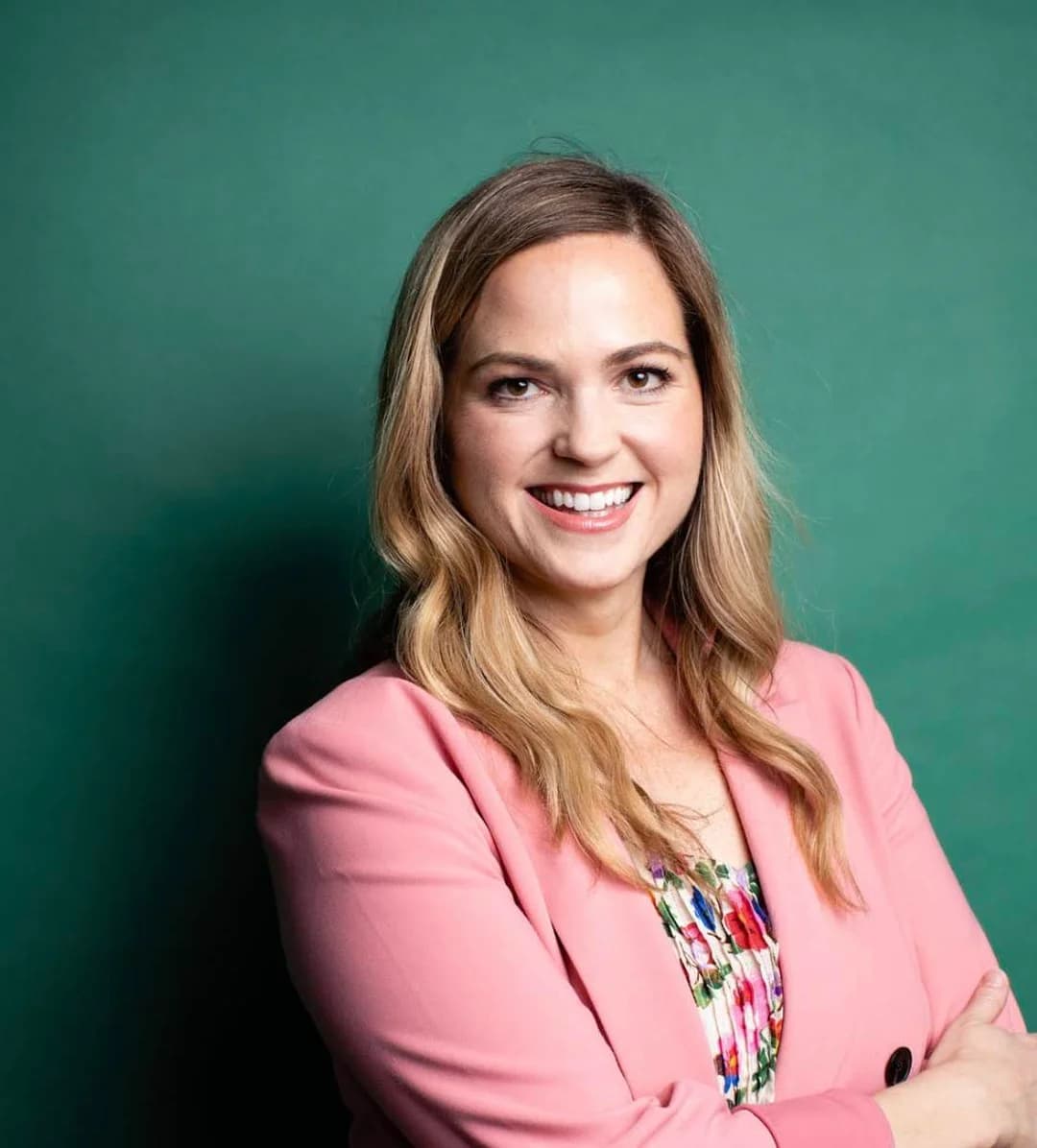
Dr. Jana Rundle, PsyD
Licensed Clinical Psychologist
Birth Trauma Specialist
Birth trauma occurs when a mom's birth experience is overwhelmingly distressing, leaving her with psychological wounds that don't heal on their own. Approximately 30% of women describe their birth as traumatic, and 4-5% develop full birth-related PTSD. If you're experiencing ongoing distress from your birth experience, you deserve support and healing.
We use evidence-based trauma processing techniques to help your brain integrate the traumatic birth memory so it no longer triggers intense distress. Through careful, supported work, the memory loses its emotional charge. Most clients see significant improvement within 6-12 sessions.
Cognitive Behavioral Therapy adapted for trauma helps you process the birth experience, challenge unhelpful beliefs ("I should have known," "I failed"), and develop coping strategies for triggers and difficult emotions.
Birth trauma is stored in the body. We use somatic techniques to help you release physical tension, regulate your nervous system, and reconnect with your body in a safe, empowering way.
We begin by establishing safety, teaching grounding techniques, and ensuring you feel secure before processing the traumatic memory. You're always in control of the pace.
Using trauma-focused CBT and somatic approaches, we work through the birth memory in a structured, supported way. You'll revisit the experience, but in a therapeutic context where healing can occur.
As the trauma loses its emotional charge, we focus on reconnecting with your baby, rebuilding trust in your body, and preparing for future milestones (like subsequent pregnancies if desired).
Birth trauma can result from any birth experience that felt frightening, overwhelming, or out of control. This includes emergency C-sections, long labors, medical complications, lack of informed consent, feeling dismissed by medical staff, NICU stays, or births where you or your baby were in danger. Birth trauma is about your subjective experience—if the birth felt traumatic to you, it was traumatic, regardless of the outcome.
Absolutely. Birth trauma is about your experience during birth, not just the outcome. Many moms feel guilty seeking help because their baby is healthy, but your emotional wellbeing matters too. You can be grateful your baby is safe while also processing your own traumatic experience. These feelings can coexist.
Birth-related PTSD symptoms include intrusive memories or flashbacks of the birth, nightmares, avoidance of reminders (hospitals, medical shows, pregnancy conversations), hypervigilance, difficulty bonding with baby, feeling numb or detached, irritability, trouble sleeping, and physical reactions when reminded of the birth. If these symptoms persist more than a month after birth, professional help is recommended.
Trauma-focused therapy helps your brain reprocess traumatic memories in a safe, supported environment. Using evidence-based approaches like trauma-focused CBT and somatic techniques, we work through the birth experience to help your nervous system regulate and the memory lose its emotional charge. Most clients see significant improvement within 6-12 sessions, feeling less triggered and more at peace with their birth story.
It's never too late to process birth trauma. Many moms don't realize their symptoms are from birth trauma until years later, especially if planning another pregnancy brings up unresolved feelings. Trauma therapy can be effective regardless of how much time has passed. Dr. Rundle has helped moms process birth trauma from births that occurred months to years ago.
Birth trauma is real, and healing is possible. With trauma-informed therapy, you can process what happened, reduce distress, and move forward with confidence. You deserve to feel at peace with your birth story.
Questions? Call us at (512) 898-9510
Or email bloom@bloompsychologynorthaustin.com