
Listen to this article
Narrated by Dr. Jana Rundle• 5.6 MB
Keyboard shortcuts: Space or K to play/pause • ← → to seek ±5s
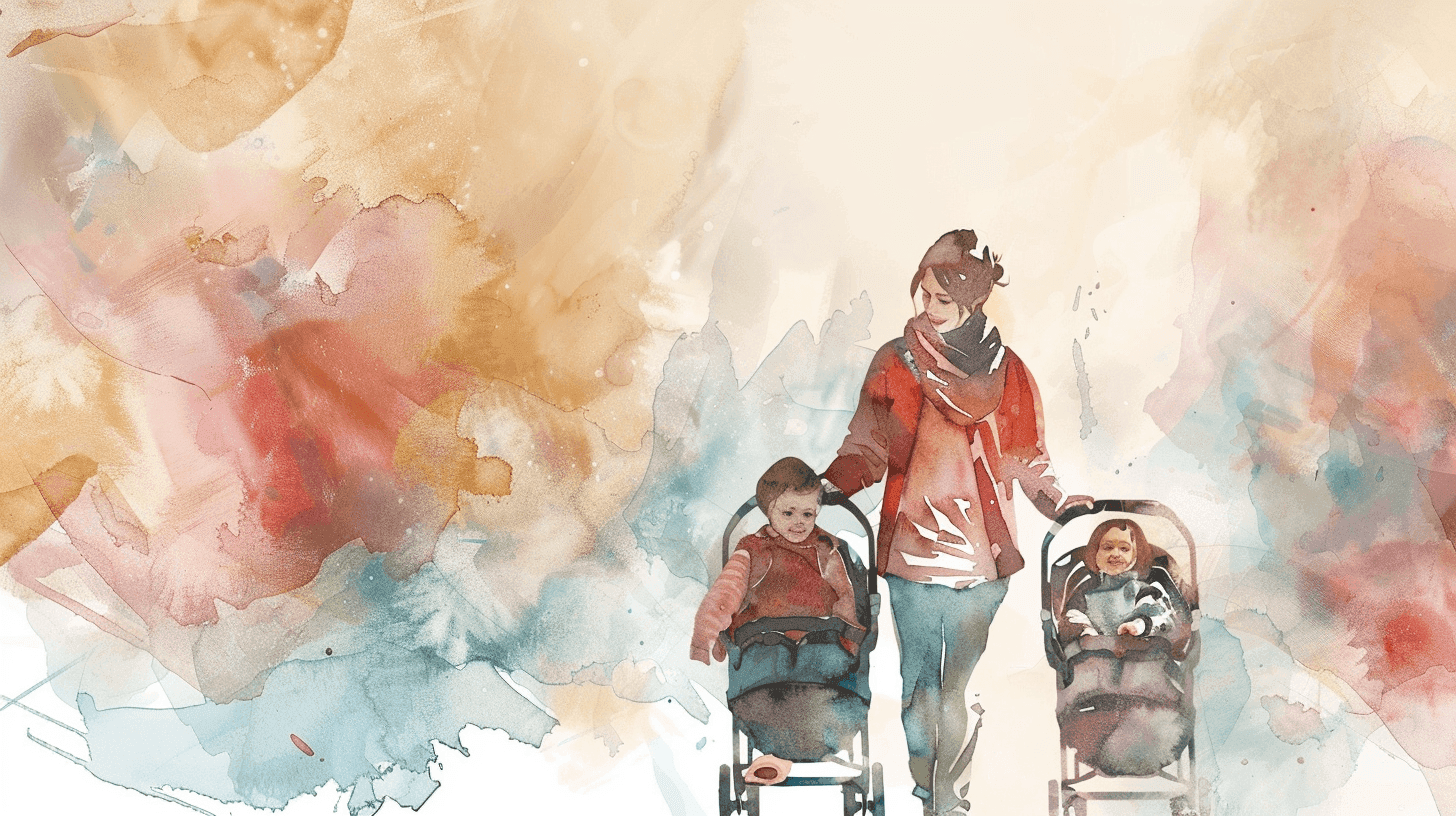
It's 7 PM. The baby has been attached to your body for what feels like the entire day: nursing, being held, sleeping on your chest. Your toddler has spent the afternoon climbing on you, pulling at your clothes, sitting on your lap. And then your partner walks in, leans in for a hug, and something inside you snaps.
You recoil. It's not that you don't love them, and nothing is wrong with the hug. But if one more person touches you, you might actually scream.
This is what mothers mean when they say they're "touched out."
If you've felt this, the desperate need for physical space, the visceral reaction to being touched even by people you love, you're not alone, and there's a real reason this happens.
What "Touched Out" Actually Means
Feeling touched out means your nervous system has hit its limit for physical contact: a state of sensory overload specific to touch. It's the experience of having your capacity for touch completely depleted, and then being asked for more.
Signs you might be touched out:
- Feeling irritable or angry when someone touches you
- Physically recoiling from contact, even gentle contact
- Craving alone time in a visceral, desperate way
- Feeling "crawling out of your skin" with overstimulation
- Snapping at your partner for normal affection
- Feeling guilty because you know your reaction isn't "logical"
- Counting down to bedtime so you can have your body to yourself
- Hiding in the bathroom just for a few minutes of not being touched
If you read that list nodding, this next part matters: none of it means something is wrong with you.
The Neuroscience of Being Touched Out
Your nervous system has limited capacity. That capacity is biological, not a figure of speech. When you're constantly receiving sensory input (touch, sound, visual stimulation), your nervous system has to process all of it. At a certain point, it becomes overwhelmed.
Research on sensory processing shows that when we're overstimulated, our bodies go into a protective mode. The sympathetic nervous system activates, the same system responsible for fight-or-flight responses. That recoil you feel when your partner reaches for you? That's your nervous system saying I can't process any more input right now.
For mothers, this overload happens easily because:
- Babies and young children require constant physical contact. Nursing, carrying, comforting. This is hundreds of touches per day.
- You can't consent to most of this touch. When your baby needs to be held, you don't have a choice. The lack of agency intensifies the depletion.
- Sleep deprivation lowers your threshold. Your nervous system can handle less when you're exhausted.
- You're processing other stimulation too. Noise, visual clutter, mental load. Touch isn't isolated.
- Your body may not feel like yours right now. Between pregnancy, birth, breastfeeding, and being constantly needed, bodily autonomy can feel like a distant memory.
Touched Out From Breastfeeding
If nursing is when the feeling peaks, you're in the majority. Breastfeeding can be eight or more hours of skin-to-skin contact a day, on the baby's schedule rather than yours, and often while someone else also wants your lap, your hand, or your hug. Feeling touched out while breastfeeding says nothing about your bond with your baby or your commitment to nursing. It's the predictable math of a nervous system receiving more contact than it can process.
A few things help specifically here: making the nursing session itself lower-stimulation (dim light, quiet room, no one else on your body while you feed), asking your partner to take every transfer and burp so feeds have clean edges, and protecting one stretch of the day where nobody touches you at all. If you're weighing whether to keep nursing partly because of this feeling, that's a real factor worth taking seriously, and it belongs in the conversation with your lactation consultant or pediatrician rather than in the pile of things you feel guilty about.
Why This Feels So Awful
What makes being touched out particularly hard is the guilt that comes with it.
You might think:
- "I should want to be affectionate with my partner."
- "I'm rejecting my baby when I don't want to hold them."
- "A good mom wouldn't feel like this."
- "Something is wrong with me."
Being touched out is a capacity issue, not a failure of love. You can adore your children and your partner and still have a nervous system that has hit its limit for physical contact. Those two things live side by side all the time.
You can love cuddling your kids and still need them off your body right now. You can be attracted to your partner and still not be able to handle a hand on your shoulder tonight. You can be a devoted mother whose body, for a little while, needs to belong only to her. None of these cancel each other out.
What Helps When You're Touched Out
1. Name It Without Shame
Tell your partner: "I'm touched out right now. This is about my nervous system being overwhelmed, not about you." You're giving them information, not an excuse. When your partner understands what's happening, they can take it less personally and help you get the space you need.
2. Create "Touch-Free" Windows
Proactively build in time when no one is allowed to touch you. This might mean:
- 30 minutes after the kids are in bed where you're alone before engaging with your partner
- A morning routine where your partner handles the kids while you shower and get dressed without anyone touching you
- Trading off with your partner so you each get chunks of time physically alone
3. Use Physical Barriers When You Can
If you're nursing, try different positions that give you more space. Use a pillow between you and a toddler who wants to sit on your lap. Put the baby in a carrier so they're contained rather than climbing all over you.
4. Address the Other Sensory Input
Being touched out is usually part of broader overstimulation. Notice if you can reduce:
- Noise (turn off the TV, use headphones)
- Visual clutter (even just clearing one surface can help)
- Decision-making demands
- Unnecessary stimulation
5. Regulate Your Nervous System
When you're in a touched-out state, your nervous system needs calming input:
- Cold water on your face or wrists activates the dive reflex and calms your system
- Deep pressure (ironically, firm pressure can feel better than light touch, like a weighted blanket, tight hug from yourself)
- Slow exhales (longer exhale than inhale signals safety to your nervous system)
- Solo movement (a walk alone, stretching, anything that lets your body move without anyone touching you)
6. Communicate Proactively With Your Partner
Don't wait until you're already touched out and snapping. Have a conversation when you're both calm:
- Explain what being touched out feels like for you
- Create a signal you can use when you're approaching your limit
- Discuss what kinds of connection can happen that aren't physical touch (talking, sitting near each other, watching something together)
- Affirm that this isn't about them or your attraction to them
What Your Partner Needs to Understand
Partners: being touched out is about capacity, not rejection.
When your partner says they can't handle being touched right now, the best response is: "I understand. What do you need?" Not guilt-tripping, not sulking, not taking it personally.
Physical touch may be your love language. That's valid. And your partner's nervous system has limits. Both of these things need to be held together.
Ways to stay connected when your partner is touched out:
- Sit near them without touching
- Make eye contact and talk
- Do something thoughtful (make them tea, handle a task they've been dreading)
- Give them genuine alone time without making them feel guilty
- Check in later: "Do you have any capacity for a hug now, or do you need more time?"
When Being Touched Out Might Be Something More
Occasional touched-out feelings are normal for parents of young children. But sometimes, aversion to touch can signal something that needs more attention:
- Postpartum depression or anxiety can include sensory sensitivity and irritability
- Postpartum rage often manifests as intense reactions to normal stimuli
- Past trauma can be activated by the loss of bodily autonomy in motherhood
- Breastfeeding aversion (D-MER or nursing aversion) is a specific, intense response to nursing touch
If you're feeling touched out most of the time, if your reactions feel extreme, or if this is significantly impacting your relationships or wellbeing, it's worth talking to a professional who understands perinatal mental health.
Permission Slip
I want to give you explicit permission for something that might feel taboo:
You are allowed to not want to be touched.
Even by your baby. Even by your partner. Even by people you love deeply. Your body is still yours. Motherhood doesn't require you to become an unlimited resource for everyone else's physical needs with nothing left for yourself.
Setting boundaries around touch is a matter of survival. It's what allows you to show up for the touch that matters: the cuddles you actually want, the nursing sessions that feel connecting rather than depleting, the hugs from your partner that feel like coming home rather than one more demand.
This is an overwhelmed nervous system asking for room, not a flaw in how you love, and giving it that room is something you can actually do.
Related Reading
- Postpartum Rage: The Anger No One Talks About
- Managing Postpartum Rage: A Guide for New Moms
- How to Know if You’re Burned Out (Not Just Tired)
If you've recoiled from your partner's hug after a day of being climbed on and nursed and needed, not from any lack of love but because one more touch might make you scream, that isn't you being cold. Being touched out is genuine sensory overload, your nervous system waving a white flag, and the guilt you feel about it isn't warranted. You have the right to a body that's your own. If the overwhelm is bleeding into everything, therapy for new moms can help. You can book a free consult whenever you need.
Feeling touched out while breastfeeding
If nursing is when the crawling-skin feeling peaks, you're not imagining it — breastfeeding can mean hours of skin-to-skin contact a day before anyone else has touched you. By evening, your sensory system is simply full. A few things that help: claim a short touch-free window right after a feed (even five minutes in another room), change the scenery for one feed a day so the sensation isn't layered onto the same couch and the same posture, and tell your partner plainly that after the last feed, you need your body to belong to you for a while. Being touched out while breastfeeding says nothing about your bond with your baby or your partner — it's a nervous system reporting that its limit was reached, not a feeling you owe anyone an apology for.