

Understanding, recognizing, and managing anxiety after having a baby starts with knowing what postpartum anxiety actually is—and that it's far more common than most new mothers realize.
What Is Postpartum Anxiety?
Postpartum anxiety is one of the most common complications of childbirth, affecting up to 1 in 5 new mothers. Unlike the "baby blues," which typically resolve within two weeks, postpartum anxiety involves persistent, excessive worry that interferes with daily functioning and your ability to enjoy motherhood.
While it's normal to worry about your baby's wellbeing, postpartum anxiety goes beyond typical new-parent concerns. The worry becomes overwhelming, constant, and difficult to control. You might find yourself unable to relax even when your baby is safe and sleeping peacefully.
A few numbers worth knowing:
- 1 in 5 new mothers experience postpartum anxiety
- 50% of women with PPD also have anxiety
- 90% success rate with proper treatment
Good news: Postpartum anxiety is highly treatable. With the right support and strategies, most women experience significant improvement within weeks to months.
Recognizing the Signs
Mental & Emotional Symptoms
- Excessive worry about baby's health or safety
- Intrusive, frightening thoughts
- Racing thoughts that won't slow down
- Difficulty concentrating or making decisions
- Constant "what if" thinking
- Feeling on edge or unable to relax
- Checking behaviors (repeatedly checking on baby)
- Avoidance of certain situations or places
Physical Symptoms
- Rapid heartbeat or palpitations – your heart racing even when resting
- Shortness of breath – feeling like you can't get enough air
- Muscle tension or trembling – constant tension in neck, shoulders, or jaw
- Dizziness or lightheadedness – feeling unsteady or faint
- Digestive issues – nausea, stomach pain, or digestive problems
- Fatigue and exhaustion – feeling tired but unable to rest
Coping Strategies That Work
Breathing techniques
- 4-7-8 breathing: inhale for 4, hold for 7, exhale for 8
- Box breathing: equal counts of 4 for all phases
- Diaphragmatic breathing to activate the calm response
Grounding exercises
- 5-4-3-2-1 technique: name 5 things you see, 4 you hear, and so on
- Progressive muscle relaxation
- Mindful awareness of the present moment
Cognitive strategies
- Challenge "what if" thoughts with facts
- Practice thought stopping and redirection
- Identify anxiety patterns and triggers
When to Seek Professional Help
Seek specialized postpartum anxiety therapy if you experience any of the following:
- Anxiety that interferes with sleep, eating, or caring for your baby
- Panic attacks or overwhelming physical symptoms
- Intrusive thoughts that frighten you or won't go away
- Avoidance of situations or activities due to anxiety
- Anxiety that lasts more than two weeks or gets worse over time
Crisis resources:
- National Suicide Prevention Lifeline: 988
- Postpartum Support International: 1-800-944-4773
- Crisis Text Line: Text "HELLO" to 741741
Treatment That Works
Cognitive Behavioral Therapy (CBT). The gold-standard treatment for postpartum anxiety. Evidence-based CBT helps you identify and change anxious thought patterns and develop practical coping skills. Typical duration: 12-20 sessions | Success rate: 60-80%.
Medication. SSRIs (selective serotonin reuptake inhibitors) are safe and effective for postpartum anxiety, including while breastfeeding. Your healthcare provider can help you weigh the benefits and risks. Typical onset: 2-4 weeks, and it can be combined with therapy for the best results.
Support groups. Connecting with other mothers experiencing postpartum anxiety can reduce isolation and provide practical coping strategies. Both in-person and online options are available.
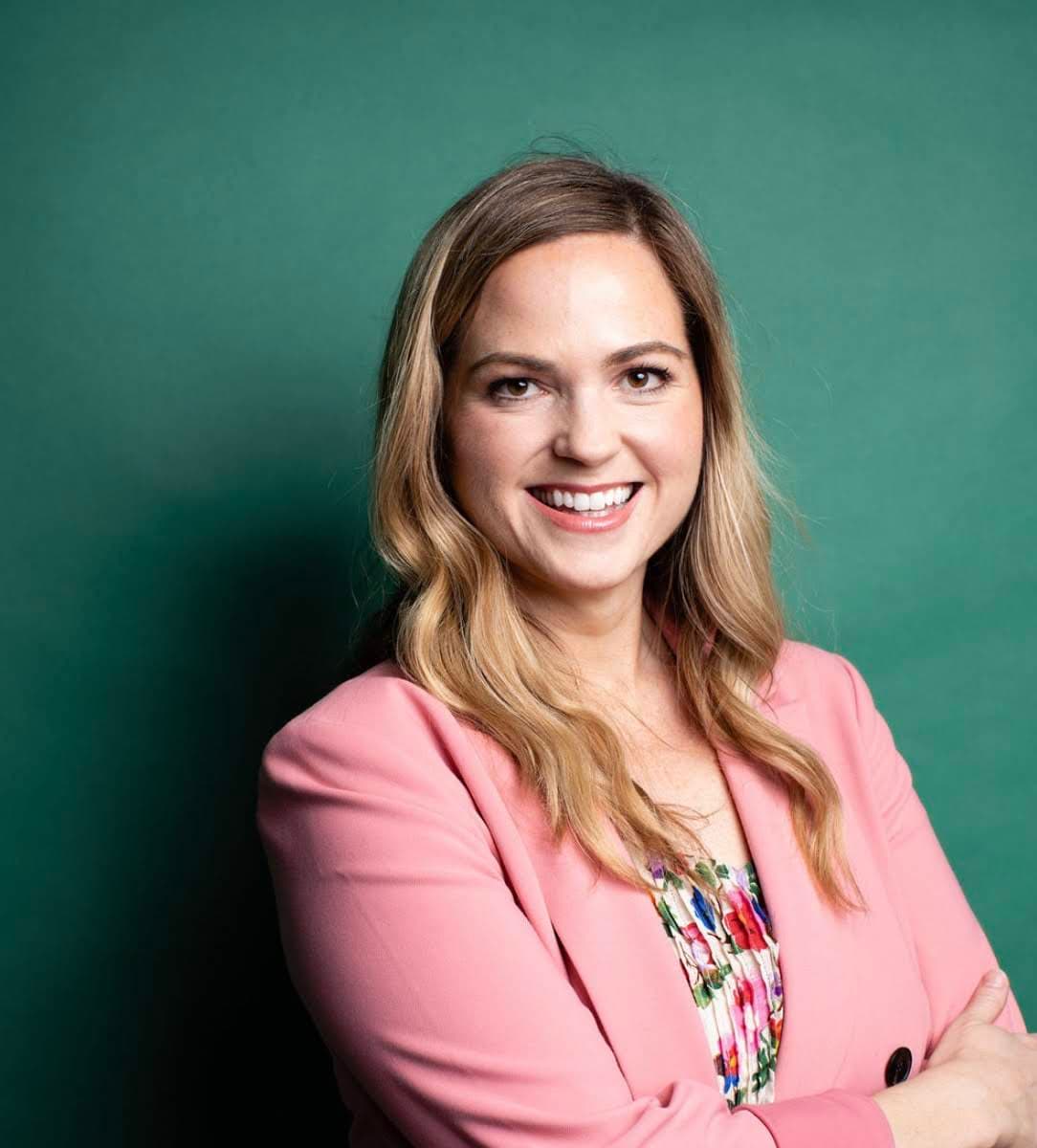
Dr. Jana Rundle specializes in treating postpartum anxiety with evidence-based approaches tailored to new mothers. If you'd like support, you can book a consultation or learn about the 8-week New Mom Program.