Care for women, moms & parents
A moment to check in with yourselfA moment for yourselfExpert support for new moms. Struggling with constant worry, racing thoughts, or intrusive fears about your baby? You're not alone. Get expert help from a psychologist who specializes in postpartum anxiety and OCD.
PMH-C
Certified Specialist
15+
Years Experience
100%
Confidential
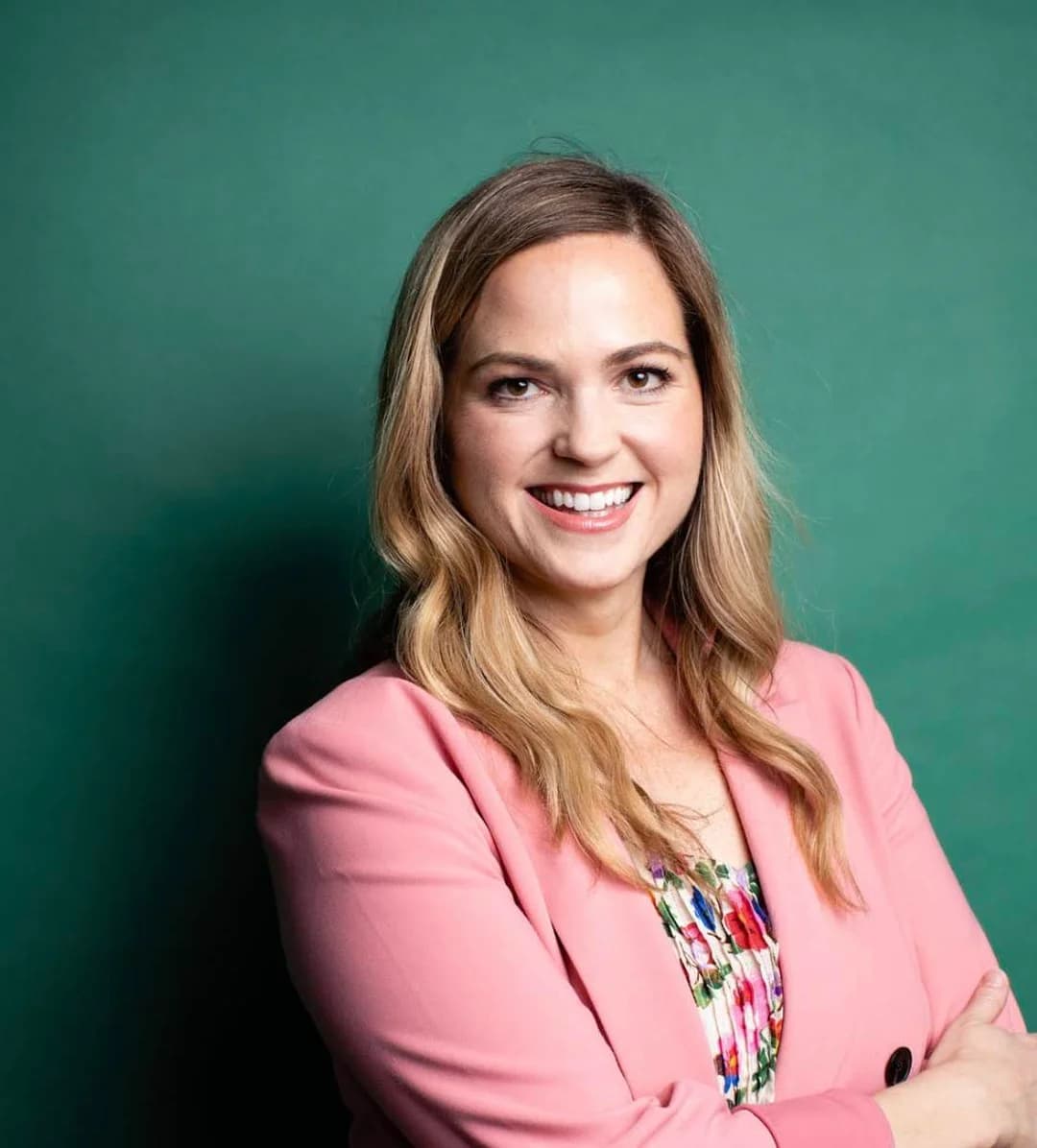
Dr. Jana Rundle, PsyD
Licensed Clinical Psychologist
Specializing in Postpartum Anxiety & OCD
Postpartum anxiety (PPA) is one of the most common perinatal mood disorders, affecting 10-15% of new moms in Austin and nationwide. Unlike the expected nervousness of new parenthood, postpartum anxiety involves persistent, excessive worry that interferes with your daily life and ability to enjoy motherhood.
Both conditions involve intense worry, but the pattern is different—and this distinction matters for treatment.
If you're experiencing graphic, intrusive thoughts about harming your baby—even if they horrify you—you may have postpartum OCD instead of (or in addition to) general anxiety. Postpartum OCD requires specialized Exposure & Response Prevention (ERP) therapy.
Critical to understand: Having intrusive harm thoughts does NOT mean you will act on them. The fact that these thoughts disturb you is proof you would never want to harm your baby.
Most moms who type that search are not looking for a specific license. They are looking for someone who takes intrusive thoughts seriously and knows what to do about them.
A medical doctor who evaluates symptoms, prescribes medication, and manages it over time. If an SSRI is part of your plan, this is the person who writes and adjusts that prescription.
A doctoral-level clinician who diagnoses and treats with therapy rather than medication. For postpartum OCD, that therapy is Exposure and Response Prevention, the first-line treatment with the strongest evidence behind it.
To be clear about who we are: Dr. Jana Rundle is a licensed clinical psychologist (PsyD, PMH-C). She is not a psychiatrist and does not prescribe medication. What she provides is the ERP and CBT that research supports as first-line care for postpartum OCD and anxiety.
If medication belongs in your plan, you do not have to choose between the two. Dr. Rundle coordinates with your OB-GYN, primary care physician, or psychiatrist so the therapy and the prescribing work together. Many moms do best with both. If you do not yet have a prescriber, she can point you toward reproductive psychiatry options in the Austin area.
Book a Free 15-Minute ConsultationCBT helps you identify and change anxious thought patterns, develop coping strategies, and reduce worry. It's the gold standard treatment for postpartum anxiety with proven effectiveness.
For postpartum OCD, ERP helps you gradually face intrusive thoughts without engaging in compulsive behaviors, reducing anxiety over time and restoring confidence in your ability to care for your baby.
Learn grounding techniques, breathing exercises, and mindfulness practices to manage panic symptoms, reduce physical tension, and stay present rather than caught in anxious future thinking.
Explore our library of articles to learn more about anxiety and find relief
Learn how sleep affects anxiety and strategies to break the cycle of sleep deprivation and worry.
Discover support systems, resources, and coping strategies for managing postpartum anxiety.
Recognize the less obvious signs of perinatal anxiety disorders beyond typical worry.
Understanding how hormonal changes impact anxiety in women, especially postpartum.
Evidence-based techniques for managing anxiety during stressful and uncertain periods.
The state of maternal mental health care in America and resources available to moms.
Postpartum anxiety is treatable. With evidence-based therapy, you can reduce anxiety, manage intrusive thoughts, and feel confident in your ability to care for your baby. Take the first step toward relief today.
Questions? Call us at (512) 898-9510
Or email bloom@bloompsychologynorthaustin.com